


72 In. Indoor 6-Speed Ceiling Fan
72 In. Indoor 6-Speed Ceiling Fan - 72" / Brushed Nickel is backordered and will ship as soon as it is back in stock.
- ICF72: Circulates air in large to extra large spaces up to 2,040 sq. ft.
- Costs just pennies per day to operate with typical usage
- Up to 65% more efficient than a standard AC ceiling fan
- Aluminum blades in brushed nickel finish suitable for indoor applications
- Lightweight design for easy install
- Supports an angled ceiling install up to 20°
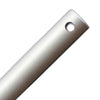
- Includes standard 6 in. downrod with option to upgrade to downrod lengths up to 48 in. (sold separately)
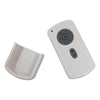
- 6 speeds and reversible direction with remote control
- Energy-saving DC motor
- ETL Listed
- 1-year limited warranty
Couldn't load pickup availability

Product Description
Built for big spaces and bold design. The Maxx Air 72-inch Indoor Ceiling Fan moves serious air with whisper-quiet, 6-speed performance that keeps shops, garages, and open-concept living areas comfortable year-round.
Its energy-efficient DC motor uses up to 65% less power than standard AC models, lowering costs while extending motor life. Switch easily from summer cooling to winter circulation with the reversible motor and included remote control. Finished in sleek brushed nickel with durable metal blades, this fan delivers industrial strength and modern style in one. Includes a 6 in. downrod with optional longer sizes sold separately.
Features and Benefits
- ICF72: Circulates air in large to extra large spaces up to 2,040 sq. ft.
- Costs just pennies per day to operate with typical usage
- Up to 65% more efficient than a standard AC ceiling fan
- Aluminum blades in brushed nickel finish suitable for indoor applications
- Lightweight design for easy install
- Supports an angled ceiling install up to 20°
- Includes standard 6 in. downrod with option to upgrade to downrod lengths up to 48 in. (sold separately)
- 6 speeds and reversible direction with remote control
- Energy-saving DC motor
- ETL Listed
- 1-year limited warranty
FRESH, MODERN DESIGN
Our ceiling fans are not only functional, but serve as a sleek contemporary design piece to liven up large residential or commercial spaces. Keep your space feeling fresh while saving money on your heating and cooling bills.

MULTI-FAN OPERATION
Install multiple units in a room and operate each one independently. Want one fan on high and another on low at the end of the room? You got it! Change the switch configuration on the back of each remote to give each a unique signal.

Energy-Saving, Quiet Motor
Trash your energy hogs! Our industrial-grade ceiling fan line uses a DC motor which is up to 65% more efficient than AC motors, runs longer (and cooler), and features a stabilized current for reduced motor noise to equal a near-silent operation.

Specifications
- Primary Color
-
Brushed Nickel
- CFM
-
Up to 10,200
- Material Details
-
Aluminum Blades
- Motor Details
-
Energy efficient DC Motor, Reversible
- Motor Specs
-
120 V, 60 Hz
35 Watts
120 RPM
- Dimensions
-
15 in. H x 72 in. W x 72 in. D (blade at spider to top of downrod)
19 in. H x 72 in. W x 72 in. D (blade tip to top of downrod)
Blade Dimensions: 31.5 in. L
Downrod Dimensions: 3/4 in. outer diameter - Unit Weight
-
26 lbs.
- Box Dimensions
-
11 in. x 11 in. x 38 in.
14 in. x 40 in. x 14 in. (UPS)
- Ship Weight
-
28 lbs.
- Alias SKU(s)
-
ICF72: Printed Carton
ICF72UPS: Plain Carton - Multi UPC Info
-
ICF72: 047242642599
ICF72UPS: 047242642612 - Country of Origin - Assembly
-
Taiwan
- Other Details
-
Remote requires (1) 12 Volt 23AE battery
- Sold Under
- Maxx Air, Big Air
Warranty & Certifications


Parts & Accessories
Frequently Asked Questions
How ceiling fans are measured?
There are 2 primary ways ceiling fans can be measured. First, you can measure a fan's sweep. If the ceiling fan has an even number of blades, the fan is measured from one blade tip straight across to the opposite blade tip. Or, if the fan has an odd number of blades, the measurement is taken from the tip of one blade to the fan center, then multiplied by 2. This is the fan's diameter, expressed in inches or feet, and is the fan's overall size.
Generally, as you move up in size you also move up in airflow efficiency, measured in CFM (cubic feet per minute). This is a tested measurement of the amount of air the ceiling fan can move at a given speed. The higher the CFM noted, the more air the fan can move in your space.
How ceiling fans work?
Maxx Air's industrial-grade ceiling fans work using thermal destratification. Thermal destratification is the process of mixing the internal air in a building to eliminate stratified layers and achieve temperature equalization throughout the building envelope.
Destratification is a means for facility managers to recycle some of the heat or conditioned air they’ve already paid for.
Are ceiling fans energy efficient?
Yes! Ceiling fans help to improve comfort year-round and can save you money in the process.
In the spring/summer, ceiling fans should run counterclockwise to create a wind chill effect--a gentle breeze to make occupants feel cooler, which can allow you to raise your thermostat, give your AC a break from operation (putting less stress on your HVAC unit!) and still feel just as comfortable. Many ceiling fans (like our Maxx Air fans) put energy consumption at the forefront and use specialized motors to reduce energy usage and their cost to operate, making the use of ceiling fans even more economical.
In fall/winter you can use a ceiling fan's reverse function to spin the blades clockwise, which pulls the air around the room in a process called destratification. Warmer air rises towards your ceiling--when your ceiling fan's blades spin clockwise, the fan takes that warm air and pushes it back down and out towards ground-level, which re-distributes that heated air for a more even temperature in your room. As with your AC, this helps your heating system run less often and keeps you feeling comfortable!
Are ceiling fans easy to install?
The ease of installation depends on several factors, including your space's existing setup for a ceiling fan, whether it is a new or replacement install, and your personal comfort level.
The most difficult part of setting up a ceiling fan centers around installing or verifying that a fan-rated electrical box is in place in your intended ceiling fan location. This electrical box should be properly rated to both support your new ceiling fan's weight and movement, and include wiring rated for your fan's electrical needs. If that's already in place, great! If you're starting completely fresh, cutting a hole in your ceiling, running wiring, and setting up an electrical box may not sound like a task you're up to--seek out an electrician/professional installer in these instances to make sure your ceiling fan is installed safely and correctly.
Beyond that, the difficulty of your fan's assembly varies from manufacturer to manufacturer--check online to view a your fan's installation guide before purchase to familiarize yourself with the process. From there, you can determine if you're comfortable making assembly a DIY task or if you should bring in a professional installer for the job.
