
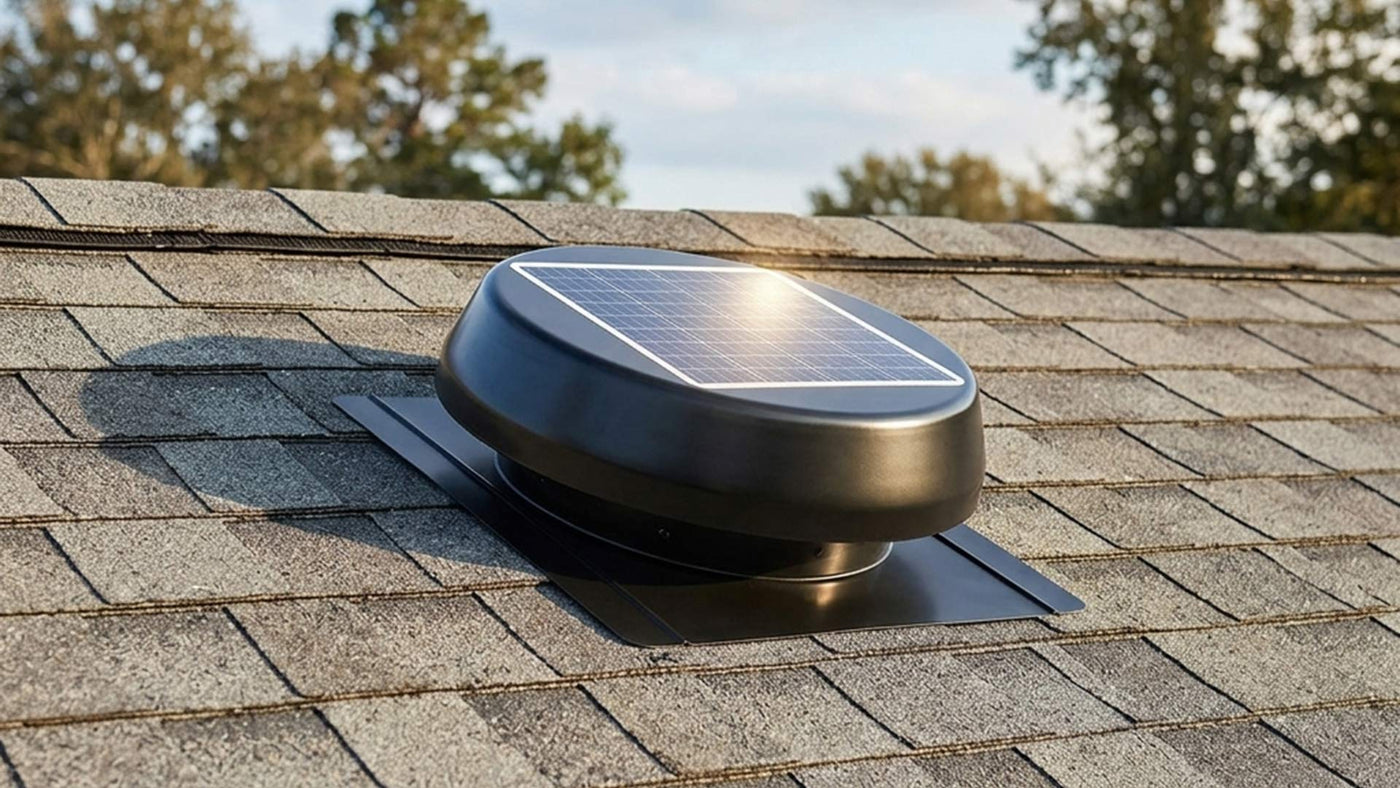
Ventilation is the process of bringing fresh air into a space and removing stale air, heat, moisture, odors, dust, and pollutants.
Many people use the terms ventilation, airflow, and air circulation interchangeably, but they are not exactly the same thing. Understanding the basics of ventilation can make it much easier to choose the right fan, improve comfort, and solve common airflow problems.

What Is Ventilation?
Ventilation, sometimes called air ventilation, is all about air exchange. It happens when fresh outdoor air replaces stale indoor air.
Good ventilation helps remove:
- Heat
- Humidity
- Smoke
- Odors
- Dust
- Pollutants
- Carbon dioxide buildup
Without proper ventilation, a room can quickly feel hot, stuffy, humid, or stale. The EPA identifies inadequate ventilation as a primary cause of indoor air quality problems, because without enough outdoor air coming in to dilute indoor pollutants, contaminant levels can rise to uncomfortable or unhealthy levels.

What Is the Difference Between Air Circulation and Ventilation?
The air circulation vs ventilation comparison matters when choosing the right fan or system, because solving the wrong problem can leave a space just as uncomfortable as before.
One of the most common misunderstandings is the difference between ventilation and air circulation.
Ventilation means exchanging old air for fresh air. Air circulation means moving existing air around within a space.
For example, opening a window or using an exhaust fan improves ventilation because it removes stale air and brings in fresh air.
A ceiling fan or pedestal fan mainly improves circulation because it moves the air that is already in the room.
The best indoor environments usually combine both ventilation and circulation.
|
Feature |
Ventilation |
Circulation |
|---|---|---|
|
Main Purpose |
Replace stale air with fresh air |
Move existing air around |
|
Removes Heat and Humidity |
Yes |
Sometimes |
|
Removes Odors and Pollutants |
Yes |
No |
|
Common Examples |
Windows, exhaust fans, vents |
Ceiling fans, pedestal fans, air circulators |
What Are the Different Types of Ventilation?
There are two main types of ventilation: natural ventilation and mechanical ventilation.
Natural Ventilation
Natural ventilation happens when air moves through a space naturally. This usually comes from opening windows, doors, vents, or other openings.
Cross ventilation is one of the best examples of natural ventilation. It happens when air enters through one opening and exits through another.
Natural ventilation is simple, affordable, and effective, but it depends on weather, temperature, and the layout of the building.

Mechanical Ventilation
Mechanical ventilation uses fans, exhaust systems, HVAC systems, or powered vents to move air.
Mechanical ventilation is often needed in spaces that do not have enough windows or natural airflow. Bathrooms, kitchens, basements, warehouses, garages, workshops, and interior rooms often rely on mechanical ventilation.
Mechanical ventilation can help:
- Remove humidity from bathrooms
- Remove smoke and odors from kitchens
- Improve airflow in garages and workshops
- Reduce heat buildup in attics
- Improve comfort in warehouses and commercial spaces
Natural Ventilation vs Mechanical Ventilation
The choice between natural ventilation vs mechanical ventilation usually comes down to building design, climate, and how reliable the airflow needs to be. Natural ventilation is free to operate, simple to use, and effective when weather and building layout cooperate. Mechanical ventilation costs more to install and operate but works regardless of outdoor conditions and gives precise control over how much air moves and where it goes. The EPA references ASHRAE Standard 62.2, which recommends a minimum of 0.35 air changes per hour for residential buildings, and mechanical ventilation is often the only way to reliably meet that standard in tightly sealed modern homes.
|
Feature |
Natural Ventilation |
Mechanical Ventilation |
|---|---|---|
|
Source of Airflow |
Windows, doors, vents |
Fans, HVAC, exhaust systems |
|
Operating Cost |
Free |
Electricity required |
|
Weather Dependent |
Yes |
No |
|
Reliable Airflow |
Variable |
Consistent |
|
Best For |
Mild climates, open floor plans |
Tightly sealed buildings, interior rooms |
Does Ventilation Help With Mold?
Yes. Poor ventilation is one of the biggest causes of mold and mildew growth.
Mold thrives in damp, humid spaces with little airflow. Bathrooms, basements, laundry rooms, kitchens, and attics are especially vulnerable.
Good ventilation helps reduce moisture and humidity before mold has a chance to grow. The EPA recommends keeping indoor humidity between 30 and 50 percent to discourage mold growth, and proper ventilation is one of the most reliable ways to keep humidity in that range.
Running exhaust fans, opening windows, and using fans to improve airflow can all help reduce the risk of mold.

Why Ventilation Matters
Ventilation does more than just make a room feel cooler. Good ventilation can improve comfort, reduce odors, remove moisture, protect against mold, and create healthier indoor air.